

We saw a class of automotive students at the Industrial Training Institute in Pune. They fixed a stalled engine in just one afternoon. The room was filled with tools, diagnostics, and problem-solving steps.
This hands-on success changed some students’ career plans right then.
Stories like this show why Vocational Education Benefits are important. Vocational training gives students real-world experience. This is something classroom theory can’t offer.
For students in India and elsewhere, vocational training has big advantages. It means quicker job entry, better career skills, and being more ready for work.
We will share five ways vocational programs help with jobs and money. We’ll talk about how learning by doing matches the National Education Policy 2020. This policy is set by the Ministry of Skill Development and Entrepreneurship.
If you want to know more about vocational programs in India, call us at +91 8927312727 or email info@nextstep.ac. We want to change technical education with creativity and new ideas. We make hard knowledge easy and exciting.
Introduction to Vocational Education
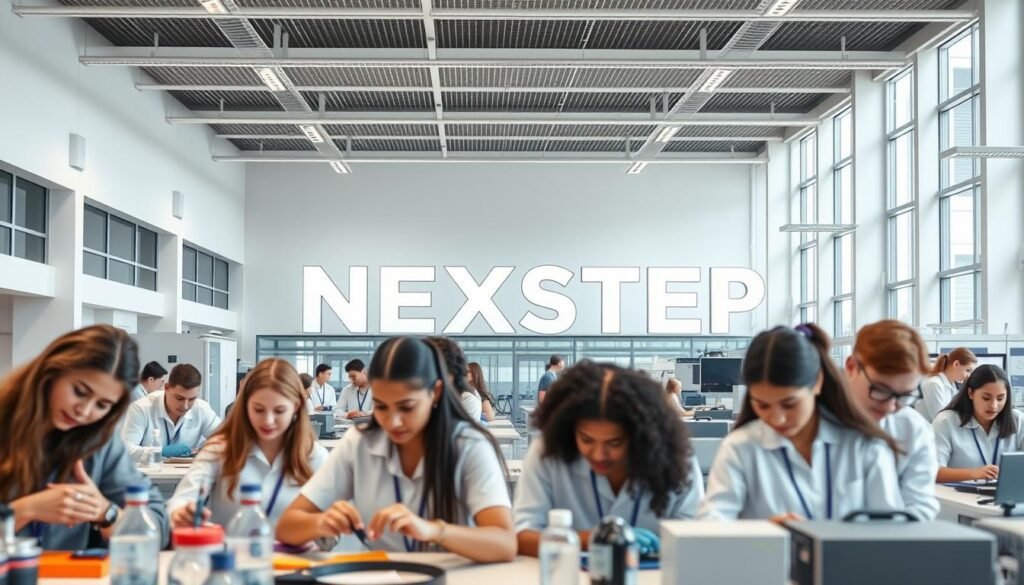
We think learning by doing changes careers and communities. Vocational education mixes classroom learning with hands-on practice. It prepares students for real jobs.
Programs teach tools and skills for specific jobs. They work with companies like Tata Consultancy Services and Siemens. This makes learning relevant and fast.
Training includes classroom, lab, and apprenticeships. Students learn technical skills and work habits. They also learn to solve problems and work well with others.
In places like India, vocational education meets job needs. Employers like vocationally trained workers because they start work quickly. This leads to faster job placements and better partnerships with employers.
Vocational education benefits everyone. It makes people more employable and teaches skills for specific jobs. Schools and training centers offer real-world experiences through projects and internships.
Here’s a quick comparison to help you decide:
| Feature | Vocational Programs | Traditional College |
|---|---|---|
| Primary focus | Skill mastery for specific trades; Industry-Relevant Skills | Broad academic knowledge |
| Duration | Shorter, often 6 months to 2 years | Three to four years for undergraduate degrees |
| Work experience | Apprenticeships and lab practice built-in | Internships optional; less practical hours |
| Job readiness | High; employers value vocational hires | Varies; may require additional training |
| Cost and debt | Lower tuition; quicker return on investment | Higher tuition; longer payback period |
| Flexibility | Part-time and modular paths available | More rigid semester schedules |
| Vocational Education Impact | Direct alignment with employer needs; fast placement | Broader career options; may need bridging courses |
| Ideal for | Students focused on immediate employment or trade careers | Students seeking academic depth or research careers |
Consider vocational education if you want to start working quickly. It offers practical skills and a fast path to employment.
Increased Job Opportunities
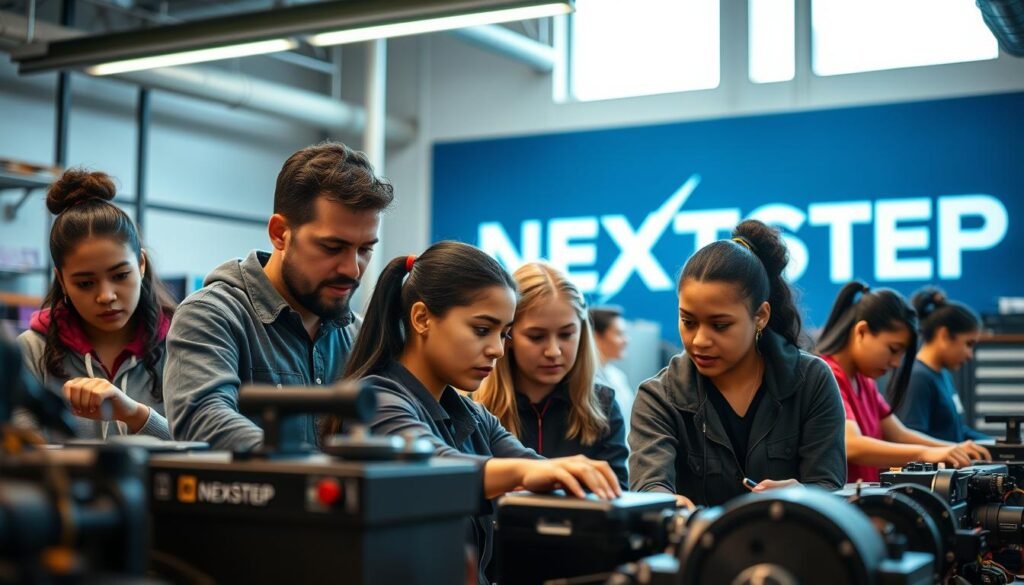
Vocational education is a direct path to better jobs. It teaches skills employers want and bridges the gap between learning and working. Students get hands-on experience with the latest tools, increasing their job chances in many fields.
Employers want to see skills in action. When students finish a program, they bring real-world experience. This experience makes them ready to work faster and more confidently.
High Demand for Skilled Workers
Reports and surveys show a big need for skilled workers. Vocational courses prepare students for these roles. They meet job needs quickly, helping to fill vacancies and ease unemployment pressure.
Career Paths Available in Vocational Education
Students have many career paths to choose from. These include engineering, healthcare, IT, hospitality, and more. Each path offers practical training and chances to learn more later.
Programs work with employers and training centers to help students find jobs. They offer job placement help, making it easier for graduates to start their careers.
A table below shows how different vocational paths lead to jobs. It highlights the importance of skills, training time, and job support.
| Vocational Track | Core Skills Gained | Typical Duration | Placement Support |
|---|---|---|---|
| Electrical Technician | Wiring, safety protocols, troubleshooting | 6–12 months | Apprenticeships, campus recruitment |
| Healthcare Support | Patient care, infection control, record keeping | 9–18 months | Clinical placements, hospital tie-ups |
| IT Support | System maintenance, networking, helpdesk skills | 4–8 months | Industry projects, placement cells |
Vocational programs with good curricula and job help create a path to work. For students and professionals in India, this shows the value of skill-focused studies.
Practical Skill Development
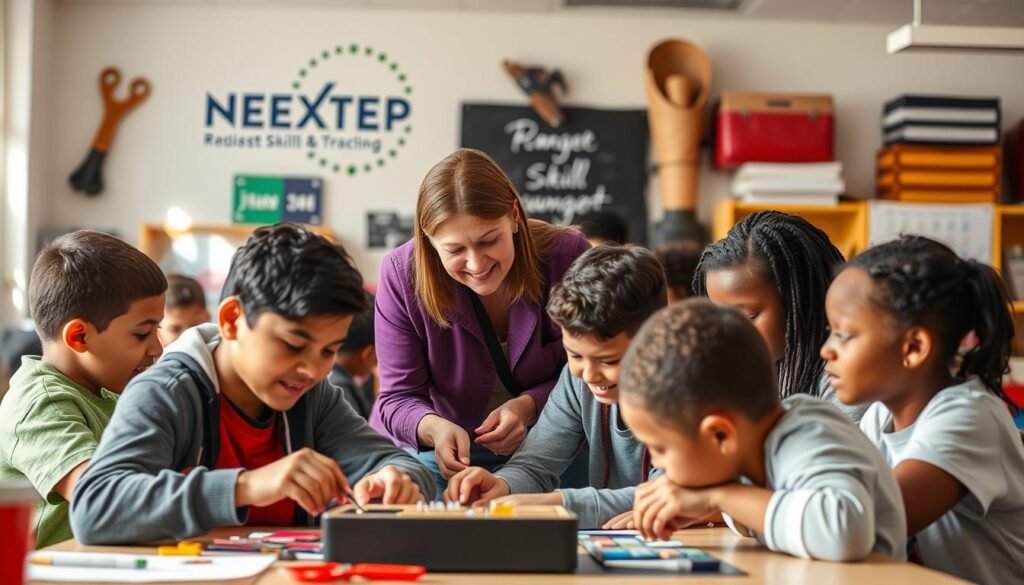
We focus on real-world training. This makes learners job-ready. Vocational education uses workshops, labs, and live projects.
Hands-On Learning Experiences
Learning by doing is key. Students get extended lab sessions and simulated tasks. They also do apprenticeships.
These experiences help learners solve problems fast. They learn to adapt to changes.
Apprenticeships with big firms like Tata Consultancy Services and Mahindra are offered. Students work on real projects. They use what they learn in class right away.
Industry-Specific Training
We make curricula for specific industries. This way, graduates meet employer needs right away. They learn skills like plumbing and network configuration.
Our Professional Training Programs mix classroom learning with practical skills. They use digital tools and virtual labs. This way, everyone can learn, even those who can’t be in class.
- Workplace simulations mimic real work situations.
- Mentored apprenticeships help build work habits.
- Credential pathways help graduates get jobs fast.
Our training leads to jobs. Students get real-world experience. They show they can do the job.
Cost-Effectiveness of Vocational Programs
Vocational learning is cheaper and gets you to work faster. Programs are short and focused. This is great for those who want to learn quickly without spending years in school.
Many programs are cheaper than college. Places like the National Skill Development Corporation-approved centers and polytechnics have lower fees. This helps families save money while their kids learn new skills.
Short programs mean less money spent on living costs. You won’t have to pay for long-term housing or food. This lets you start earning money sooner.
Quick programs mean you can start working and earning money fast. This helps you pay off student loans sooner. It also means you can start making money sooner.
We made a table to show how vocational programs are cheaper and faster. It compares typical costs and times for vocational certificates and three-year college degrees in India.
| Program Type | Typical Duration | Average Tuition (INR) | Time to First Job |
|---|---|---|---|
| Vocational Certificate (e.g., ITI, healthcare aide) | 6–12 months | 10,000–50,000 | Within 1 year |
| Diploma (polytechnic, specialised trades) | 1–2 years | 30,000–150,000 | 1–2 years |
| Undergraduate Degree (general engineering) | 3–4 years | 200,000–1,000,000 | 3–4 years |
Think about the costs now and your future goals. Vocational training is a smart choice. It leads to quick skills and financial stability.
Shorter Program Duration
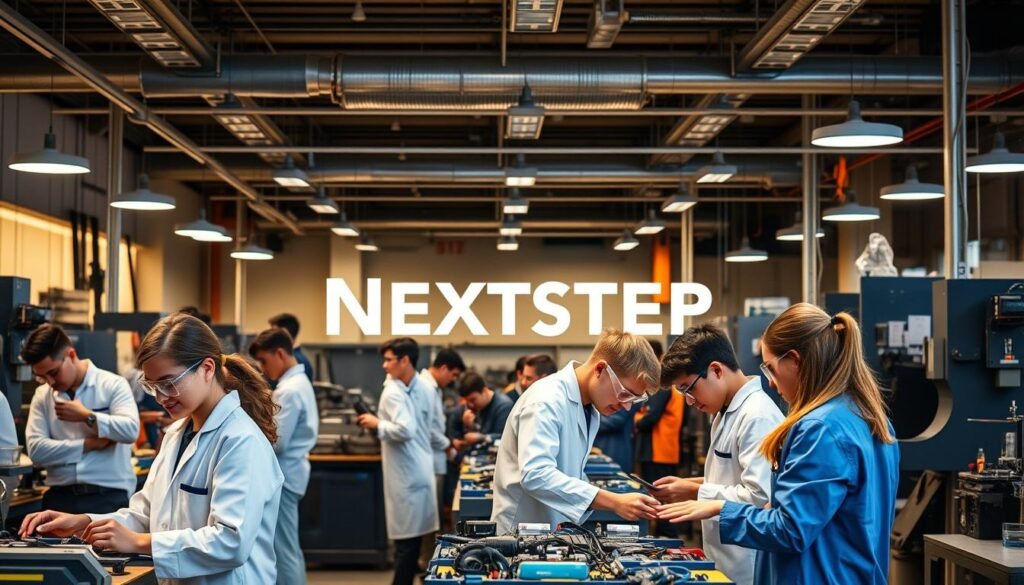
Vocational courses make it quicker to start earning. Many Professional Training Programs in India last just months, not years. This means students can learn and work sooner.
Fast-track options are great for those who need a quick career change. For example, HVAC or electrician courses can be done in four to six months. This shows the main benefits of vocational education: quick training, immediate use, and saving time.
Flexible Class Schedules help working adults and caregivers. They offer evening classes, weekend labs, and online modules. This way, learners can keep their jobs while studying.
Blended models mix hands-on labs with online learning. This helps students learn faster and in different ways. Companies like Tata Consultancy Services and Schneider Electric value these quick, focused programs.
Getting into the workforce faster is good for everyone. Shorter programs mean quicker hiring and filling skill gaps. This benefits both learners and businesses looking for skilled workers.
When picking a course, look at its length, value, and schedule. Choose programs with Flexible Class Schedules and clear job paths. The right choice can turn downtime into valuable skills in just months.
Enhanced Earning Potential
We focus on real results: vocational paths show how training leads to better pay. Short programs and focused learning let you start working sooner. This means you earn money faster.
Being good at your job means you’re worth more to employers. In fields like cars, health, and building, skills pay off with good starting salaries. Companies like Tata Motors and Apollo Hospitals value workers who are ready to go.
We believe in always learning new skills. Workers who keep learning can move up to better jobs. This leads to more money over time.
Learning soft skills like talking well and working together makes you more attractive to employers. Companies like Mahindra Group and Larsen & Toubro want people with both skills and knowledge.
Look at how much money vocational graduates make. They often see their pay go up a lot in five years. This shows the benefits of learning skills that help you earn more.
| Metric | Vocational Graduate | General High School Graduate |
|---|---|---|
| Average entry salary (USD, annual) | 6,500 | 4,200 |
| Average 5-year earnings growth | ~7% increase | ~2–3% increase |
| Time to workforce (months) | 6–12 | 12–24 |
| Likely promotion to skilled role (within 3 years) | High | Moderate |
We suggest mixing technical training with ongoing learning and skills training. This mix helps you earn more and grow in your career in India.
Personal Development and Confidence

Vocational programs are more than just learning a skill. They help people grow and believe in themselves more. Students work on tasks that help employers and communities.
Small classes and hands-on projects help students learn a lot. They get to work closely with teachers. This way, they learn faster and grow emotionally.
Building soft skills is key to getting a job. Skills like solving problems, talking clearly, working together, and being flexible are very important. Employers in India’s jobs value these skills a lot.
Doing real projects makes students feel proud. They see how their work helps others. This makes them feel more confident and ready for new challenges.
Students get to do what they love. This makes them better at their trade and motivates them. Working with people from different cultures helps them learn to communicate better.
We focus on skills that help you move up in your career or start your own business. Vocational education does more than just prepare you for a job. It makes you strong and ready for change.
Networking Opportunities
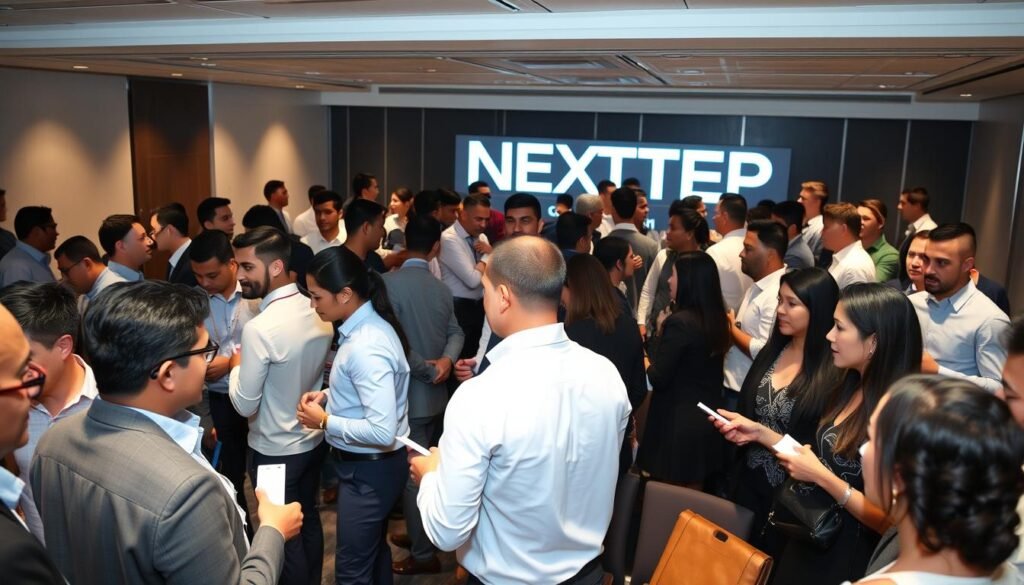
Vocational training opens doors to the industry. It’s where students meet future bosses. They learn from experts at places like Tata Consultancy Services and Bosch.
Connecting with Industry Professionals
Students get to work with real professionals. They do projects and learn from experts. This helps them show their skills to employers.
Internships and Job Placement Programs
Training leads to jobs. Schools help find jobs and practice interviews. Internships give students real work experience.
Networking doesn’t stop after school. Alumni and advisors keep in touch. This helps students grow in their careers and start new businesses.
Tailored Learning Experience
We make programs that fit each learner. We use small groups, hands-on labs, and mixed media. This way, teachers can adjust the pace and content.
This approach helps students who learn in different ways. It makes learning more fun and helps them learn faster.
Students can choose what they want to learn. They can pick modules that match their career goals. For example, they might choose a track in machining or electrical systems.
This is a big benefit of vocational schools. It makes learning more relevant and helps students get ready for their careers faster.
We pair technical practice with mentorship from industry experts. Teachers from places like Tata Power or Siemens give hands-on coaching. This approach helps students feel more confident and less anxious.
Technology is also important. We use a learning management system for blended learning and checking skills. Systems like Coursebox help students learn at their own pace and show how well they’re doing.
Students can learn in the evenings, weekends, or in modules. This makes it easier for them to balance school with life. It helps students from all walks of life to learn.
We measure success by how well students do on the job. Employers say they get better matches from our programs. Our programs help both communities and businesses grow.
Contribution to the Economy
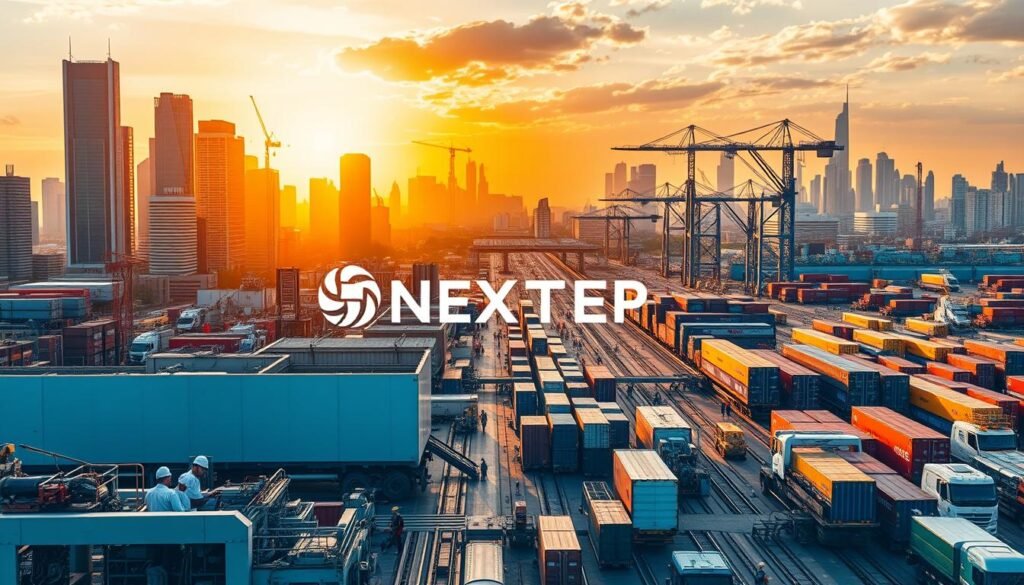
Vocational education helps local areas grow. It makes people ready for jobs fast. This means more money for families and more spending.
Training that meets employer needs saves time and money. This makes businesses better and more competitive. Small businesses in many fields benefit a lot.
Filling Skill Gaps
We work with industries to find out what skills are needed. Programs focus on areas like trades and healthcare. This quickly fills job gaps.
Supporting Local Businesses
Local businesses do well when they get skilled workers. Vocational schools help by preparing students for jobs. This saves money and improves service quality.
| Area | Direct Benefit | Typical Timeframe |
|---|---|---|
| Manufacturing | Skilled technicians reduce downtime and raise output | 6–18 months |
| Healthcare support | Certified assistants improve patient throughput | 3–12 months |
| Hospitality and tourism | Trained staff enhance guest experience and repeat business | 2–9 months |
| IT and technical services | Job-ready coders and technicians cut project ramp-up time | 4–12 months |
Future Trends in Vocational Education
India is seeing big changes in how we learn for jobs. The NEP 2020 and government efforts are making vocational education more common. This opens up new paths for students, workers, and training centers to meet employer needs.
The Impact of Technology in Training
Digital tools are changing how we learn skills. Learning systems, virtual labs, and online tests make learning hands-on easier. Sites like Coursera and SWAYAM help with learning that fits your pace and shows what you know.
Simulations and virtual reality cut down on the need for real labs. Teachers can check how you’re doing from afar. This makes learning more effective for both students and employers.
Growing Popularity and Perception Shift
People are starting to see vocational paths in a new light. What used to be seen as just for trades is now leading to jobs in healthcare, IT, engineering, and business. Big companies like Tata Consultancy Services and Apollo Hospitals look for skilled workers from these programs.
More people want these jobs because they pay well and you can start working sooner. Schools and colleges that focus on practical skills are getting more students placed in jobs.
We think keeping up with digital tools and matching what we learn to what employers want will help. This will make learning for jobs more available, respected, and effective for the next generation.
Conclusion: Making an Informed Choice
Vocational education teaches learners useful skills and how to start their own business. It helps them get ready for their careers. In India, the government supports vocational education as a main choice.
Think about learning by doing versus long-term goals. Also, think about the benefits before making a decision.
Evaluating Whether Vocational Education is Right for You
Check if the program is good by looking at success rates and partnerships. Make sure it matches your interests and the job market. For those in engineering, vocational programs can get you to work faster.
Encouragement to Explore Options
Vocational education helps you learn quickly and find jobs easily. It’s great for those who want to start or change careers. If you’re in India, call us at +91 8927312727 or email info@nextstep.ac for more information.
We want to improve technical education. We help learners turn their skills into real careers.