

Did you know online learning has grown a lot? It’s up more than 900% from 2000. By 2025, it might reach half of all students. This shows a big change: Online coaching for higher secondary is here to stay.
Online learning has big benefits. It offers flexible schedules and lower costs. You can go over lessons again and again. Plus, you get a study plan that fits you.
Drexel University School of Education says online classes are better. They offer more variety and quick feedback. They also help you learn to manage yourself better.
Studies show online learning helps a lot. It can make you remember things better (25%–60% more than in school). It can also cut study time by up to 60%. And it can make your grades and skills better.
EDUCAUSE research says online learning is getting better. Schools are adopting it more, and teachers are learning too. Blended learning is becoming common.
We see online education as a smart choice. It meets student needs well. In the next parts, we’ll talk about how online coaching uses technology and good teaching to help students.
If you’re thinking about online learning, call us. You can reach us at +91 8927312727 or info@nextstep.ac.
Introduction to Higher Secondary Online Coaching
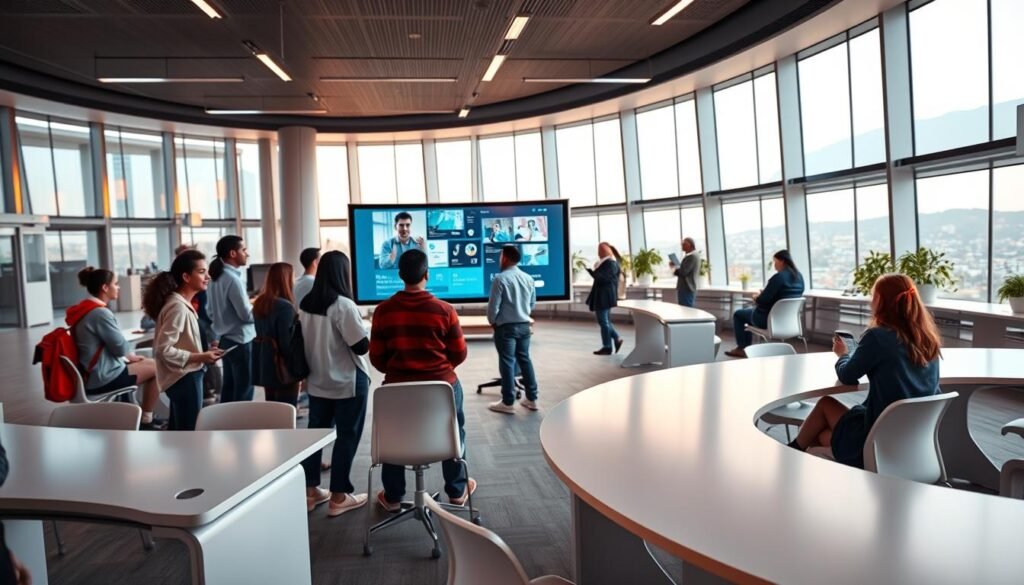
We talk about Higher Secondary Online Coaching for Indian students in classes 11 and 12. It helps them get ready for board exams and engineering tests. Online education means learning through eLearning platforms, distance learning, and virtual tutoring.
The digital classroom offers cloud-hosted materials and learning systems. Students can learn at their own pace. This helps them balance school, local tuition, and other activities.
Learning online saves money because there’s no need to travel. It also offers a wide range of courses. Students can learn specific subjects, take electives, and practice for exams.
Online learning is becoming more popular. Many students choose it for its flexibility. Studies show they learn better and develop important skills.
Parents, students, and teachers should look for a few things in a good online program. It should have a clear plan, check how students are doing, and offer feedback. The goal is to see students improve and reach their goals.
We want to make hard subjects easy and fun to learn. If you have questions, call us at +91 8927312727 or email info@nextstep.ac.
| Feature | What it Means | Student Benefit |
|---|---|---|
| Structured Syllabus | Aligned lessons mapped to class 11–12 and entrance exam syllabi | Clear milestones and focused preparation |
| Interactive Sessions | Live doubt-clearing and recorded problem-solving tutorials | Better concept retention and faster doubt resolution |
| Digital Classroom | Cloud-hosted notes, video lectures and LMS tracking | Access anytime, streamlined revision |
| Diagnostic Assessments | Regular tests, analytics and personalized feedback | Data-driven improvement and targeted study plans |
| Mentor Feedback | Scheduled one-on-one reviews and study guidance | Improved accountability and motivation |
| Distance Learning Options | Self-paced courses and scheduled cohorts for flexibility | Fits diverse schedules and learning speeds |
| Cost Efficiency | Lower travel and material expenses with digital resources | Wider access to quality coaching |
The Advantages of Online Coaching for Students

We talk about three big benefits of Higher Secondary Online Coaching. It’s great for students because it’s flexible, offers lots of resources, and uses technology well. This helps students learn better, which is perfect for those focusing on engineering.
Flexibility in Learning Schedules
Remote learning lets students study when it’s best for them. This means they can fit school, labs, or work into their schedule. It helps them balance school with other activities.
Students can watch lectures again if they need to. Many choose online tutoring because it lets them study at their own pace. This is very helpful.
With online learning, students can take classes from anywhere. For example, someone in Pune can take classes from Delhi. This is made possible by online platforms.
Access to Diverse Resources
Digital courses save money by using online materials instead of textbooks. This helps students understand math and physics better. They can keep looking at the same material until they get it.
Online courses offer many teaching styles and experts. This means students can learn from different teachers. Millions of students are taking advantage of this.
Online platforms make it easy to mix different types of learning. This helps students learn more than just the basics. They can also learn special topics.
Enhanced Engagement through Technology
Online platforms have tools for chatting and small groups. This makes learning more interactive. Students get feedback from teachers more often.
Using digital tools can help students do better in school. They can solve problems better with the help of technology. This is true when teachers use technology well.
Good teachers are key to online learning success. They use technology to help students practice and understand better. This makes learning more effective.
| Advantage | Typical Tools | Student Benefit |
|---|---|---|
| Flexible schedules | Recorded lectures, asynchronous modules, calendar planners | Improved time management; fewer schedule conflicts |
| Resource access | Digital libraries, MOOCs, reusable content objects | Broader topic exposure; reduced material costs |
| Tech engagement | Simulations, discussion forums, video conferencing | Higher interaction; better critical thinking and feedback |
How Online Coaching Meets Different Learning Styles
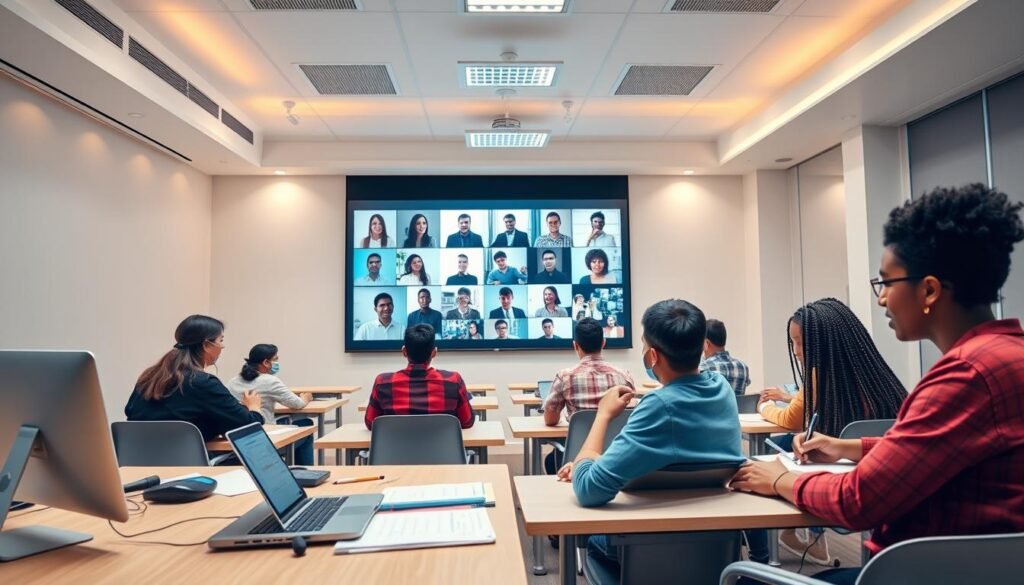
We look at how Higher Secondary Online Coaching meets different learning needs. It adapts to visual, auditory, kinesthetic, and reflective learners. This shows how online education fits various study habits.
Learning paths are designed to let students work at their own pace. Personalized modules help shy learners feel comfortable. This makes online learning great for focused study and skill building.
Tailored Approaches for Individual Needs
Online education is all about personalization. It offers adaptive lessons and feedback. This helps learners who need to see things over and over.
Our courses are designed to be engaging. They include inquiry tasks, projects, and choices in how to show what you know. Training teachers to create these experiences is key to helping students online.
Interactive Tools for Different Learning Preferences
Visual learners get animated videos and interactive diagrams. Audio learners get lectures and narrations. These help them learn by listening.
Kinesthetic learners use simulations and virtual labs. They get to practice and see how things work. Adaptive quizzes help learners who like to review and think about what they’ve learned.
- Collaborative message boards and breakout groups foster peer learning and real-time feedback.
- Cloud-based platforms store projects and enable seamless access from any device.
- Video streaming and interactive simulations bring engineering concepts to life for hands-on practice.
For engineering entrance exams, we use animated videos, step-by-step guides, and quizzes. This mix of tools makes Higher Secondary Online Coaching a great choice for online learning.
The Role of Technology in Online Learning
Technology is key for Higher Secondary Online Coaching. It makes learning fun and interactive. An e-learning platform has videos, tests, and more. This helps students all over India learn together.
We’ll talk about important tools and how they help students learn together.
Essential Tools for Online Education
Recorded lectures and learning systems let students learn at their own pace. They get feedback right away. This means less paper and more choices for learning.
Important tools include systems for managing courses, streaming videos, testing, and sharing content. These tools help schools grow and offer more courses online.
Teachers need training, and schools must plan for internet and security. When technology and teaching work together, students learn better.
How Technology Facilitates Collaboration
Tools like discussion boards and video chats help students work together. They can do it in real time or whenever they want. This builds teamwork and communication skills.
Online learning helps students learn important life skills. We focus on activities that make students think and work together. This includes projects and solving problems with teachers.
To make sure everyone can learn online, schools need to plan carefully. They must make sure technology is accessible and safe. This way, everyone can join in and learn together.
| Tool Category | Purpose | Benefit for Students |
|---|---|---|
| Learning Management System (LMS) | Host courses, track progress, deliver quizzes | Central access to materials and feedback |
| Video Streaming | Deliver live classes and recorded lectures | Flexible revision and richer demonstrations |
| Online Testing Tools | Automated assessments and analytics | Immediate results and targeted practice |
| Collaboration Suites | Shared documents, discussion forums, group rooms | Improved teamwork and peer learning |
| Learning Object Libraries | Reusable modules, simulations, and labs | Cost-effective content variety for diverse topics |
Overcoming Challenges with Online Learning
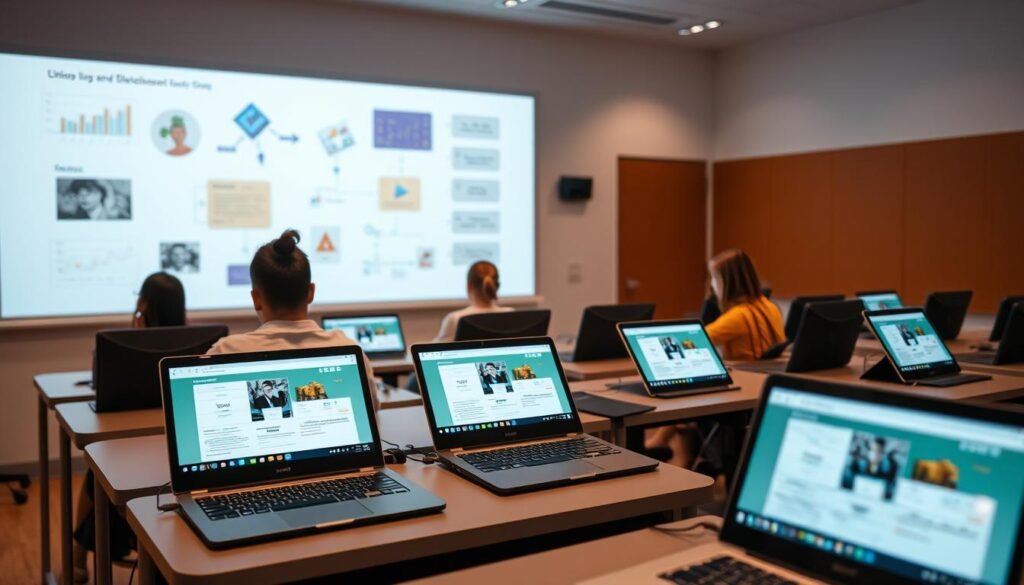
We know it’s tough to start with online learning. We face many challenges. But, we have good news. We can make online learning work well in the digital classroom.
Some people worry online learning isn’t as good as in-person classes. But, studies show it can be just as good. It all depends on how well it’s made and who teaches it.
We make sure everyone knows what to do. We set clear goals and check in often. This keeps students on track and makes learning fun.
Addressing Common Misconceptions
Some think online learning is only for those who can do it on their own. But, we help everyone. We offer support like weekly meetings and help with time management.
Another myth is that just having technology is enough. But, it’s the teaching that matters most. Good teachers and well-made courses make online learning great.
Many students like online learning better. They say it’s more flexible and helps them focus. We use this to make our online coaching better. We mix live sessions with online materials.
Support for Technical Difficulties
Technical problems can be a big issue. We make sure everyone can learn online, no matter their device or internet. We also have teams ready to help quickly.
Schools need to invest in good tools and train teachers. We check if students are ready and help teachers too. This way, everyone can learn without problems.
The best approach is to mix live help, online materials, and quick tech support. This makes students feel confident and helps them stay in our online coaching.
| Challenge | Practical Remedy | Expected Impact |
|---|---|---|
| Perceived lower quality | Redesign curriculum with active learning and assessment alignment | Improved learning outcomes and credibility of online education |
| Motivation and time management | Weekly mentoring, micro-goals, and progress dashboards | Higher engagement and reduced dropout rates in the digital classroom |
| Digital divide (connectivity/devices) | Offline resources, low-bandwidth options, device loan programs | Greater equity and access for distance learning students |
| Security and compliance | Endpoint policies, antivirus, secure LMS and proctoring tools | Safer online education environment and integrity of assessments |
| Faculty and student tech skills | Mandatory training, help desk, and walkthroughs | Smoother adoption and more effective remote learning delivery |
The Importance of Qualified Online Educators

We know teacher quality shapes outcomes in online education. Skilled instructors bring pedagogy, subject mastery, and a sense of presence to every lesson. This mix is more important than just technical skill when students need help.
Here’s how to spot strong educators and why experience matters. These tips help schools, parents, and students pick the best virtual tutoring for higher secondary study.
How to Identify Qualified Educators
Look for educators who design personalized learning paths. They have clear goals, targeted feedback, and adaptive pacing. Evidence of success in virtual classrooms builds trust.
Seek formal credentials in online pedagogy and LMS tools like Moodle or Google Classroom. Schools that trained faculty during rapid online adoption show quality commitment.
Check for demonstrable student outcomes like improved grades and retention rates. Instructors who run constructive discussions and use project-based tasks usually deliver strong support.
The Impact of Experienced Teachers
Experienced online teachers increase collaboration and give timely, actionable feedback. They create materials that cut study time while improving retention on an e-learning platform.
Data from higher education and corporate learning show performance gains with interactive methods. Virtual tutoring by seasoned educators often leads to higher engagement and better exam results.
We recommend prioritizing subject-matter expertise in physics, math, and chemistry for Higher Secondary Online Coaching. Choose teachers with proven online experience and training in assessment and engagement techniques.
| Quality Indicator | What to Look For | Why It Matters |
|---|---|---|
| Pedagogical Training | Certificates in online teaching; workshops on digital pedagogy | Improves lesson design and student interaction on virtual platforms |
| Technical Fluency | Experience with LMS, video tools, and assessment software | Reduces friction; enables smoother virtual tutoring sessions |
| Subject Expertise | Background in core higher secondary subjects: physics, math, chemistry | Ensures depth of explanation and accurate exam guidance |
| Proven Outcomes | Student grade improvements, retention metrics, testimonials | Direct evidence that teaching methods lead to success |
| Student-Centered Methods | Use of projects, peer work, and frequent formative feedback | Boosts engagement and long-term mastery on the e-learning platform |
Balancing Online Coaching with Traditional Education
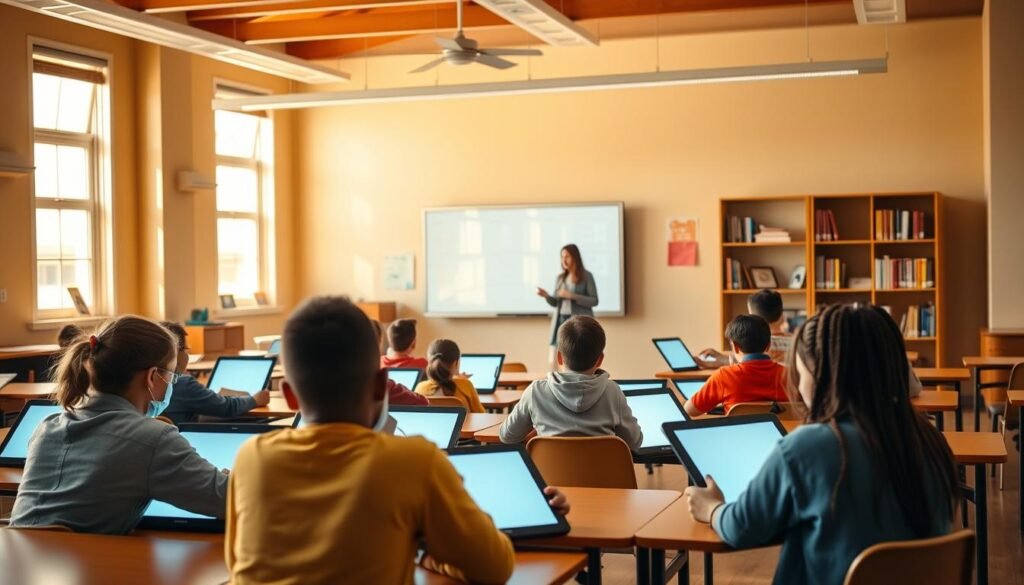
We think online coaching should help in class, not replace it. Blended learning lets us add to lessons, practice more, and make teacher time better.
Online coaching lets students watch lectures again and learn at their own speed. An e-learning platform has short videos and quizzes for quick review. This helps students who need more time to get topics.
Many students mix going to school with learning online. This mix cuts down on study time and helps them remember better when teachers match online and in-person work. Reports show more schools are using a mix of online and in-person learning.
Complementing in-person learning
Use class time for hands-on work, projects, and talking. Use the online platform for practice, tests, and feedback. This way, class time is for solving big problems and online time is for getting better at skills.
In practice, we have short online sessions for solving problems. Students do online lessons first, so class discussions are deeper. This makes online learning feel useful, not broken up.
Hybrid models of education
Hybrid education mixes live lessons with recorded videos and tests. For engineering, it helps with design and skill building.
Using course systems and tests makes hybrid learning work better. When schools train teachers and use good tools, hybrid learning does well. How you plan and teach is key, not just the tools.
Here are some tips for using online and in-person learning:
- Make sure online lessons match class goals.
- Use class time for doing, labs, and feedback.
- Choose a platform that tracks progress and has good tests.
- Train teachers to make short online lessons that fit with class work.
| Component | Best Use | Example Tools |
|---|---|---|
| Face-to-Face | Hands-on labs, debates, project mentoring | Laboratory kits, whiteboard sessions, workshop spaces |
| Synchronous Online | Live problem solving, office hours, group work | Video conferencing, shared editors, breakout rooms |
| Asynchronous Online | Concept videos, adaptive practice, revision | e-learning platform, LMS quizzes, micro-lectures |
| Assessment & Analytics | Formative checks, progress dashboards | Online assessments, learning analytics, gradebook |
Parental Involvement in Online Coaching

We see parental engagement as a bridge between the student, the coach, and the digital classroom. During higher secondary years, parents offer motivation and help with schedules. They should guide without taking over.
Encouraging Accountability and Support
Online courses need self-regulation and time management. Parents should help set study routines and reduce distractions. This helps learners stay focused on Higher Secondary Online Coaching.
Parents can work with coaches to review progress and discuss results. These actions reinforce responsibility and make learning feel structured.
Simple daily or weekly reviews at home can prevent dropout. When we work with educators, parental input helps improve learning plans.
How Parents Can Enhance Online Learning Experience
Provide a quiet study area with good lighting and tools for notes. For areas with slow internet, download lessons for offline use. This keeps learning uninterrupted.
Encourage using e-learning resources like recorded lectures and discussion boards. Teaching time management and self-advocacy helps students use digital tools better.
Make sure instructors are qualified and give clear feedback. Parents should ask for measurable progress and quick support. Contact +91 8927312727 or info@nextstep.ac for help.
| Parental Action | Practical Steps | Benefit to Student |
|---|---|---|
| Establish Routine | Set study hours, limit distractions, create checklist | Improved time management and fewer missed deadlines |
| Monitor Progress | Review reports, attend coach meetings, track assignments | Early identification of gaps and targeted academic support |
| Optimize Environment | Quiet workspace, offline lesson downloads, stable device | Reliable access to lessons and reduced technical stress |
| Promote Resource Use | Encourage practice tests, forum participation, recorded lectures | Deeper subject understanding and exam readiness |
| Advocate Quality | Request instructor credentials, feedback timelines, support | Higher teaching standards and clearer academic outcomes |
Online Coaching Success Stories

We share stories of how focused Higher Secondary Online Coaching helps a lot. You’ll see how it improves exam prep, time use, and understanding of hard subjects.
Inspiring Testimonials from Students
Students say flexible schedules and feedback made a big difference. Many say watching recorded lectures helped them get better at hard subjects like calculus and physics.
Surveys show 81% of learners got better grades with digital tools. And 70% think online classes are better than just classroom learning. People talk about better exam prep, sharper thinking, and good study habits.
Teachers at places like the Indian Institutes of Technology say using technology helps students learn better. They say it makes learning clearer and helps students remember more.
Case Studies on Improved Learning Outcomes
Good online education gives quick feedback. Students get fast answers, which helps fix mistakes before exams.
Studies show learning stays up to 60% better and study time goes down 40% to 60%. Companies see a 25% boost in performance with digital training. Schools see similar gains with interactive tasks.
Reviews say the biggest wins come when teachers learn about online teaching. And when platforms adjust study plans for each student. For students aiming to be engineers, special help with concepts and test strategies is key.
Academic support like tutor meetings, study groups, and quizzes helps a lot. These tools make online learning a solid way to prepare for exams.
Preparing for Exams with Online Coaching
We make a clear plan for exam prep. It includes structured revision, practice, and support. Our method is perfect for online coaching: short sessions, goals, and mentor help.
We suggest a layered plan for revision. It uses spaced repetition and active recall. Students can watch recordings from tutoring sessions again.
Diagnostic tests show weak spots. This helps us focus on those areas. Timed tests make it feel like the real thing.
Online quizzes adapt to your level. They help you focus your studying. Doubt-clearing sessions help solve tough problems.
Project-based tasks and feedback help you understand better. Mentors give quick feedback on short projects. This helps improve your grasp of concepts.
Strategies for Effective Revision
Make a revision calendar with daily goals and weekly checks.
Watch lectures with notes and practice recalling.
Do mock exams under timed conditions. Review mistakes with a tutor.
Leveraging Online Resources for Exam Readiness
Use digital question banks and problem walkthroughs. Message boards and groups help clear doubts.
Check your progress with LMS analytics. Adaptive quizzes show where you need to work harder.
Make sure you’re ready for the exam. Test your setup and practice the exam process.
- Create a revision calendar aligned to the exam timetable.
- Use LMS analytics weekly to measure gains and gaps.
- Schedule three full mock exams in exam conditions before test day.
- Maintain mentor check-ins for personalized academic support.
- Ensure device and connectivity checks for secure online testing.
| Focus Area | What We Do | Tools |
|---|---|---|
| Structured Revision | Plan spaced-repetition cycles and daily goals | Revision calendar, recorded lectures |
| Targeted Practice | Adaptive quizzes and timed mock tests | Question banks, analytics |
| Concept Mastery | Project-based assessments and formative feedback | Assignments, mentor reviews |
| Technical Readiness | Test exam platforms and proctoring setups | Low-bandwidth options, trial runs |
| Ongoing Support | Regular mentor check-ins and peer discussion | Virtual tutoring, message boards |
For program details and support, call: +91 8927312727, info@nextstep.ac.
The Future Landscape of Higher Secondary Online Coaching
We look at new paths for online learning in higher secondary education in India. These paths include technology, teaching methods, market growth, and policy. Schools and coaching centers can make learning better and more for everyone.
Trends Shaping Online Education
Students want learning that fits their lives. They want courses that are flexible and fit their goals. This makes learning faster and cheaper.
More people are using online learning platforms. This has led to more money being spent on better technology. Now, learning in science and tech subjects is more fun and engaging.
Blended learning is becoming popular. It combines online and in-person learning. This approach focuses on teaching methods that work well in both settings.
Predictions for the Next Decade
Technology will make learning more personal. AI will help teachers give feedback and adjust lessons for each student. This will make learning more effective.
Learning will become more interactive. Students will use simulations to learn complex subjects faster. This will help those aiming for engineering careers.
Quality in education will improve. Schools will use better ways to check if students are learning. They will also focus on teaching and applying what is learned.
India needs to work on making online learning available to all. This includes partnering with private companies and training teachers. Closing the gap in digital access is key to fair and lasting online learning.
Conclusion: Embracing Change in Education
Higher Secondary Online Coaching changes how students get ready for engineering. It uses online learning to give students easy access to lessons. They get feedback right away and can learn at their own pace.
An online learning platform helps students manage their time better. It makes learning deeper without feeling rushed.
The Imperative for Adaptation
Schools and teachers need to use online learning on purpose. They must have good teaching methods, trained teachers, and the right technology. This helps students learn better and stay on track.
Studies show online learning can help students learn more in less time. It makes them better at skills needed in the real world. But, it’s important to keep students motivated and guided.
The Long-Term Benefits of Online Coaching
Online coaching helps students understand concepts better and get ready for exams. It also helps them develop important skills for their future jobs. This approach helps schools and colleges improve grades and job chances.
Research and real-life examples show that mixing online and in-person learning works best. We encourage schools and teachers to work with us on this change. Learn more about how technology can help education here: e-learning and technology in education.
For more information and to work together: +91 8927312727, info@nextstep.ac. Let’s create online education that prepares future engineers for a changing world.