

Did you know that nearly 70% of Indian higher secondary students feel very anxious before exams? This stress affects how we study, sleep, and do well. That’s why we need to change how we handle it.
This guide is for students, engineering hopefuls, teachers, and families. We want to share clear ways to manage exam stress. Our goal is to make studying and stress relief fun and easy to follow.
We’ll show you how to avoid last-minute worries and prepare well ahead. You’ll learn how to make a study plan, reduce anxiety, relax, and stay organized. We’ll also share tips for exam day and after.
Our advice comes from research and experts. Good test-taking skills and knowing your subjects well help reduce stress. Getting enough sleep, eating right, and staying organized are key too.
For personalized help, call us at +91 8927312727 or email info@nextstep.ac. Together, we can turn exam stress into success and confidence.
Understanding Higher Secondary Exam Stress
Board exams can make us feel both excited and scared. In the higher secondary years, the fear often grows. Knowing what causes this fear helps us find ways to cope better.
Students worry about different things. They might fear not doing well, worry about what others think, or feel overwhelmed by too much to learn. They might also worry about exams being different or the big impact on college and scholarships in India.
Things like fear, negative thoughts, and physical signs like headaches can make it hard to focus and remember things. This makes it even harder to deal with exam stress.
What Causes Exam Stress?
Too much to learn, unpredictable questions, and big stakes can make students stressed. Family and friends can also add pressure. Personal fears and past failures can affect how students handle stress.
Not sleeping well, eating differently, and feeling tense can make studying hard. Negative thoughts and constant worry can also distract and make solving problems harder.
Signs You’re Experiencing Exam Stress
Stress can show in how we act, think, and feel. We might put off studying, get irritable, or pull away from friends. It can also make us have trouble focusing, worry a lot, and forget things during practice tests.
Feeling tired, having headaches, stomach problems, and tight muscles are also signs. If we notice our mock test scores dropping or can’t remember things when timed, it’s a sign of stress.
| Area | Common Signs | Quick Action |
|---|---|---|
| Behavioral | Procrastination, missed reviews, social withdrawal | Set short, timed study blocks and notify a study partner |
| Cognitive | Poor focus, negative self-talk, frequent worry | Use brief mindfulness breaks and positive self-statements |
| Physical | Sleep changes, headaches, appetite shifts | Monitor sleep, hydrate, and schedule light exercise |
| Performance | Blanking on answers, lower mock scores | Practice under timed conditions and review exam techniques |
If we notice these signs, getting help is a good idea. Teachers, school counselors, or family members can offer support. Acting early can help us manage stress and stay on track with our goals.
The Importance of Managing Stress

Exams are big tests of our knowledge and strength. Stress can hurt our focus, memory, and making decisions. This makes studying harder than it should be.
Managing stress is key for doing well in exams. Studies and advice say that having a routine and being healthy helps us learn better. It also helps us solve problems.
Why Is Stress Management Crucial?
Too much stress can make our memory and thinking worse on test days. For students aiming for engineering or higher secondary, knowing a lot doesn’t always help under pressure.
Seeing stress relief as a study strategy is smart. It helps us sleep well, eat right, and exercise. These things help us stay focused and feel good.
Benefits of Reducing Exam Stress
Reducing stress helps us think clearer and manage our time better during exams. It also helps us bounce back after tough questions. These small wins can boost our scores and confidence.
Over time, managing stress builds strong study habits. Students become more ready for challenges, avoid long-term mental health problems, and get better at school and work.
We suggest seeing stress management as a smart investment. Small, regular steps like taking breaks, focusing on studying, and getting enough sleep can greatly improve how we do in exams and our mental health.
Techniques for Reducing Exam Stress

We want to help students and teachers deal with exam stress. Small actions can change how we feel and think. Here are three easy ways to help you relax.
Deep Breathing Exercises
Deep breathing helps calm us down fast. Take slow breaths for a minute or two before studying or during breaks. Breathe in for four, hold for two, then breathe out for six. Do this five times.
It helps relax your muscles and focus better. Short breathing breaks stop stress from building up. They help you recover between long study times.
Mindfulness and Meditation
Mindfulness and meditation improve focus and calm your mind. Start with five minutes a day and add more as you can. Apps like Insight Timer and Calm make it easy to start.
Make mindfulness a regular part of your day. It’s like a class you attend every day. This helps you stay calm and focused.
For tips on making a study plan with these practices, check out this resource: manage stress during exams.
Physical Activity
Exercise makes us feel good and helps our brains work better. Try short activities like walking, yoga, or bodyweight exercises. They’re best as breaks, not as a way to avoid studying.
Do some exercise before exams to start the day positively. Even a 10-minute walk can make you feel better and focus better later.
Use all these methods together for a good routine. Schedule breathing breaks, set aside time for mindfulness, and do short workouts as breaks. These tips are easy to follow and can help you feel better.
Creating a Study Schedule
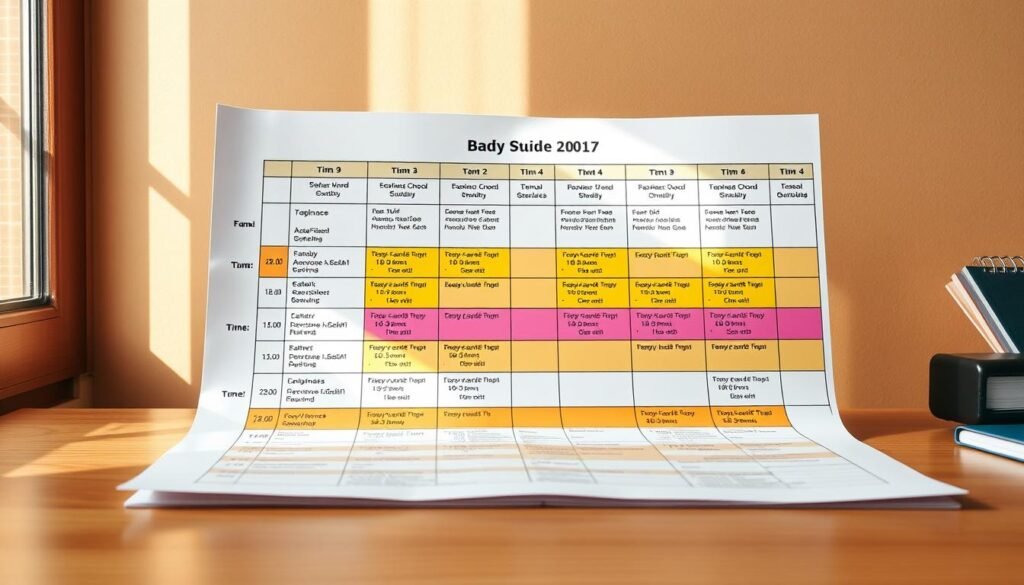
We start with a plan: list the syllabus by subject and mark the weightage for board exams. This makes a big syllabus into smaller goals. A good study schedule has focused study, revision, and mock tests to track progress.
Break topics into small parts and set daily and weekly goals. Use planners or digital calendars to organize these parts. Prepare materials the night before and pack a test-day kit. This makes mornings easier and helps with stress.
We suggest structured blocks: set clear goals for each session and include breaks. Guess how long tasks will take and don’t cram. Reviewing regularly helps remember things better and lowers stress.
How to Build an Effective Study Plan
- List subjects with marks weightage and priority.
- Split each topic into 30–60 minute study units.
- Schedule hardest subjects when cognitive energy is highest.
- Include weekly mocks and spaced revision slots.
- Keep one buffer block daily for catch-up or relaxation.
Time Management Tips
- Estimate task duration realistically and track actual time spent.
- Prioritize high-impact topics first: weightage and weakness guide choices.
- Use Pomodoro timers to sustain focus and measure productivity.
- Group similar tasks to reduce switching costs and improve flow.
- Review the plan each weekend: adjust goals and preserve balance.
Use tools to keep the schedule: Google Calendar, a paper planner, or a spreadsheet. Add timers and a nightly checklist to reduce morning stress and improve time management.
Follow this routine and you’ll see less last-minute panic. A steady routine helps learn, boosts confidence, and manages stress during exams.
Study Techniques to Improve Learning

We mix different methods to help you remember better and feel less stressed. Start with short, active sessions that make you think hard. Then, add group review and a steady rhythm to keep study sessions productive and calm.
Active Learning Methods
We learn by talking out loud, drawing fast, and making small study guides. Solving old test problems and using retrieval practice is better than just reading.
Make short cheat-sheets with important formulas and facts. Do timed tests to get used to the exam feel. Write down key things on paper to calm your nerves.
Applying the Pomodoro Technique
We study in 25–50 minute blocks, then take short breaks. This keeps our focus and prevents burnout.
Have clear goals for each block: learn one thing, solve one problem set, or review one thing. Use breaks to stretch or breathe. This helps your brain get ready for the next block.
Structured Group Sessions
Group study works best when everyone follows a plan. Assign topics, quiz each other, and practice explaining. Keep it short and focused to avoid socializing too much.
Take turns: one person quizzes, another explains, and a third notes down what’s missing. This method sharpens your understanding and finds gaps faster than studying alone.
Use all these methods together. Alternate between active learning and Pomodoro, and have group review now and then. These strategies help you feel ready for exams without feeling overwhelmed.
Healthy Lifestyle Choices

We see exam prep as a daily thing. Eating well, sleeping right, and drinking water are key. These habits help us stay calm and focused.
The Role of Nutrition
Begin your day with a good breakfast. Mix carbs and protein like oats with fruit or eggs with toast. Stay away from sugary foods that make you tired.
Snacks like almonds and bananas keep your energy up. Plan your meals and choose whole foods over junk.
Importance of Sleep
Good sleep helps your brain work better. Stick to a sleep schedule, even when exams are near. Lack of sleep makes you anxious and forgetful.
Practice staying up late before exams. It helps you stay alert during the test. Sleep is part of your study plan, not something to skip.
Staying Hydrated
Drinking water helps your brain stay sharp. Drink small amounts all day, not just big gulps. Bring a water bottle to study and exams.
Drink water at the same times every day. It stops headaches and keeps you quick on your feet.
Good food, sleep, and water are the basics. They help you stay healthy and do well on exams. Try these habits every day to keep your mind sharp.
Seeking Support from Others

Exam periods can feel lonely. Reaching out helps a lot. Friends share notes, family helps with daily tasks, and experts offer structured help.
Talking to Friends and Family
Talking about exam worries with friends makes it normal. They share study tips that help. Short chats with a study buddy keep you on track.
At home, families can make quiet study areas. They can also cook meals or do chores when you’re studying hard. These small changes help you focus better.
Utilizing School Resources
Schools offer more than just classes. Teachers, counselors, and mental health services are there to help. Use practice tests and feedback to feel more sure about exams.
If worries don’t go away, getting help is key. Counselors can offer tips and suggest therapists. For more on student mental health, see this review of higher education mental health.
Form study groups with roles for everyone. One person quizzes, another explains, and a third keeps time. This way, you all work together and feel less stressed. Using school resources and community support makes studying easier.
Staying Positive

We go into exams with excitement and a plan. A calm mind helps us read questions, remember formulas, and manage time well. Small habits like short walks or a quick playlist can help us stay calm and focused.
The Power of Positive Thinking
We think we can grow and learn from tests. We see tests as chances to use what we know. Saying “I will do my best” helps us feel less scared.
Doing this often makes us more focused and less stressed. This helps us do better on exams.
Reframing Negative Thoughts
We catch and change negative thoughts. First, we say the thought out loud: “I am panicking.” Then, we change it: “I can handle this.”
Doing this often makes it easier. It helps us stay positive and focused.
- Visualization: Imagine yourself answering questions well for one minute.
- Daily wins: Write down three things you did well each day.
- Pre-test ritual: Have a 5-minute routine that calms you down, like deep breathing or a walk.
These steps mix practical tips with mindset work. Using positive thinking and changing negative thoughts helps us handle stress better. It also makes us do better on tests.
Test-Taking Strategies

We have simple steps to help you stay calm and do well on exams. These tips mix easy routines with smart question tactics. They help you manage stress and work better on exam day.
Start with a short routine before the exam. Get there early, find a comfy seat, and have your pens and calculator ready. Take a minute to breathe and imagine yourself doing well. This helps you relax and focus.
When the exam starts, listen to the invigilator. Look over the whole test first. Mark the hard parts and decide where to start. This scan helps you plan and avoid surprises.
Use a strategy that keeps you moving. Answer the easy questions quickly first. Then, come back to the hard ones later. This way, you get more right and save time for important questions.
For subjects with lots of formulas, write them down at the start. This frees up your memory and makes solving problems easier.
If you can guess without losing points, try to answer unsure questions. Check your math and review your essays if you can. These small checks can help you get more points.
Use short techniques to calm down during the exam. Take slow breaths or tense and relax your shoulders. Tell yourself you’re ready and have done well in practice. These tips help you stay calm when it gets tough.
We have a quick checklist for exam day. It covers your routine, scanning, how to answer questions, memory offload, and staying calm. This checklist makes it easy to follow your test-taking strategies.
| Stage | Action | Benefit |
|---|---|---|
| Pre-exam | Arrive early, organize materials, breathe, visualize | Less panic; steady focus |
| Initial scan | Read instructions, scan whole paper, note time per section | Better time allocation; clear plan |
| First pass | Answer easy questions, flag hard ones for later | Build confidence; efficient scoring |
| Memory offload | Write formulas and key facts on scrap paper immediately | Frees working memory; fewer errors |
| Handling unknowns | Make reasoned guesses when allowed; avoid blanks | Increases chance of extra marks |
| Anxiety check | Short breathing, muscle relax, positive self-talk | Calmer state; improved concentration |
These strategies create a solid plan for exams. Practice them in mock exams to make them second nature. This practice helps you handle pressure and builds strong coping skills.
Practicing Relaxation Techniques
We share simple ways to help students relax and focus during exams. Doing these exercises every day makes it easier to handle stress on exam day.
Visualization helps your mind practice success. Spend five minutes each morning imagining yourself at the exam hall. Imagine breathing deeply, thinking clearly, and answering questions with confidence.
Regular practice makes your brain less anxious. It trains your mind to feel more calm.
Use guided scripts or a quiet voice to go through sensory details. Think about the feel of the pen and the sound of pages turning. Imagine your handwriting looking clear.
This practice helps you focus better during study time. It makes the time between worry and doing well shorter.
Progressive muscle relaxation lowers body tension. Start with your toes and move up. Tense muscles for five seconds, then relax for ten.
Do this for 10–15 minutes during breaks or before sleep. It helps you think clearer and sleep better. Students say they feel less stressed and sleep better when they do this regularly.
Try both tools in your study plan. Do a quick visualization before studying and use progressive muscle relaxation during longer breaks. This helps your body and mind switch from stress to focus.
- Daily time: 5–15 minutes
- When: before study, during breaks, on exam morning
- Goal: steady focus, lowered anxiety, improved recall
Studies and experts agree these methods help keep your mind sharp under pressure. Doing these exercises daily makes them a part of your routine. This boosts how well you do on exams.
Balancing Study and Leisure
Studying hard can make our brains tired. It’s good to take short breaks to stay focused. These breaks help us remember better and keep us excited to learn more.
Finding Time for Hobbies
Make time for hobbies to feel less stressed. Take a short break after studying to come back stronger. Simple things like playing music or drawing are great.
Think of hobbies as a way to rest, not waste time. Calling it “recovery time” helps us keep it in our schedule. This way, we focus better next time.
The Importance of Downtime
Short breaks like walking or stretching help our minds. Reading or talking with friends also helps us relax. These breaks help us remember what we learned.
Breaks are key to not getting too tired. They help us stay sharp over time. After big tests, taking it easy helps us get ready for more learning.
Here’s a simple plan to follow: study, then take breaks. Make time for hobbies too. This keeps you learning without getting too stressed.
| Period | Activity | Purpose |
|---|---|---|
| 50 minutes | Focused study (pomodoro-style) | Deep work and encoding of material |
| 10 minutes | Active break: walk or stretching | Refresh circulation and attention |
| 45 minutes | Study or problem practice | Apply concepts and test recall |
| 30 minutes | Hobby slot (music, sport, sketching) | Recharge motivation; hobbies to reduce stress |
| Evening | Restorative downtime: reading or light social time | Consolidate learning and unwind |
Reflecting After Exams
After the last paper, we should take a moment to reflect. A calm review helps us learn from exams. We can see which topics need more work and which study tactics helped.
We treat mistakes as chances to learn, not failures. This review helps us prepare better next time.
We use a checklist to review: what helped, what stressed us, and which strategies worked. This helps us make a plan for the future.
Setting goals after exams is key. We suggest SMART goals that are specific and achievable. We also take a short break before studying again.
We add stress-management practices to our plan. If anxiety is hard to handle, we use school counselors or support groups.
We end by looking forward. We make a new study plan that uses what we learned. For help, call us at +91 8927312727 or email info@nextstep.ac. We help students manage stress and prepare for exams.